

If you haven’t experienced the absolute magic of Pão de Queijo (Brazilian Cheese Bread) yet, I am so excited to be the one to introduce you. Imagine a warm, golden-brown little roll that is perfectly crusty on the outside and unbelievably chewy and cheesy on the inside.
The best part? They are naturally gluten-free and ridiculously easy to make. No kneading, no yeast, and no waiting for dough to rise. In fact, we’re going to make the batter entirely in your blender!

The “Secret” Ingredient
The signature chewiness comes from tapioca flour (sometimes labeled as tapioca starch). You can easily find it in the baking aisle of most grocery stores or online. Don’t try to substitute it with regular flour—the tapioca is what makes the magic happen!
The best part? Whether you’re a “get your hands dirty” traditionalist or a “press a button and go” minimalist, I’ve got you covered.
The Traditional Way: Hand-Rolled Brazilian Cheese Bread
If you want the true “Grandmother’s kitchen” experience, skip the blender. This method involves “scalding” the flour, which creates that iconic stretchy, chewy texture we all crave.
Ingredients
- 1 cup milk
- ½ cup vegetable oil
- 3 cups tapioca flour (tapioca starch)
- 1 tsp salt (or to taste)
- 2 large eggs (added one at a time)
- 1 ½ cups shredded cheese (a mix of sharp white cheddar and parmesan works wonders)
Step-by-Step Instructions
1. The Scald: In a small saucepan, combine the milk and oil. Bring it to a boil over medium heat. Watch it closely! As soon as you see those little bubbles rising and it starts to foam up, remove it from the heat immediately.
2. The Mix: In a large heat-proof bowl, whisk together your tapioca flour and salt. Carefully pour the hot milk mixture over the flour. Mix it with a wooden spoon first (it’s hot!), then switch to your hands once it cools down a bit. It might look crumbly at first—don’t panic!
3. The Cheese & Eggs: Add about half of your cheese and one egg. Knead the dough with your hands. Add the second egg and the rest of the cheese.
4. The “Feel” Test: This is where you become a pro. You want a dough that is smooth and doesn’t stick to your hands or the bowl.
- Too dry? Add another egg.
- Too sticky/oily? Sprinkle in a little more tapioca flour.
- Pro Tip: Give the dough a tiny taste now to see if it needs an extra pinch of salt.
5. Roll & Bake: Preheat your oven to 375°F (190°C). Scoop about a tablespoon of dough and roll it into a ball (about the size of a golf ball). Place them on a baking sheet, leaving an inch of space between them so they have room to puff up.
6. The Golden Moment: Bake for 20–25 minutes or until they are puffed and just starting to show golden spots.
Storage Hack: You can freeze these dough balls on a tray, then toss them into a freezer bag. Whenever you have a cheese craving, just bake them straight from the freezer for an extra 5 minutes!

The Blender Method (Ready in 25 Minutes!)
If you want the convenience of the Blender Method but the authentic “look and feel” of the Hand-Rolled version, there are a few clever tricks to bridge the gap. Here is how to make your “Shortcut” bread look exactly like the “Traditional” masterpiece:
1. The “Texture Hack”: Don’t Blend the Cheese!
The biggest giveaway of blender bread is that it’s too smooth. To fix this:
- Blend the milk, oil, egg, salt, and tapioca flour first until smooth.
- Stop the blender.
- Add your shredded cheese last and just pulse it 2 or 3 times—or stir it in by hand with a spatula.
- Why? This leaves little pockets of cheese throughout the batter that will create those beautiful, bubbly “cheese craters” on the crust as they bake.
2. The “Muffin Tin” Secret
Since blender batter is thin, it needs a mold. To make them look like traditional round balls:
- Use a mini-muffin tin rather than a standard large one.
- Fill the cups all the way to the brim. This causes the bread to “mushroom” over the top, creating a rounded, dome-like shape that mimics a hand-rolled ball.
3. The Topping Trick
Traditional Pão de Queijo often has a slightly matte, floury, or crusty finish.
- Before popping the tray in the oven, sprinkle a tiny bit of extra grated Parmesan or a dusting of dry tapioca flour on top of each cup.
- As it bakes, this creates a rustic, “cracked” texture on the surface instead of a shiny, smooth one.
4. Crank the Heat
If you want that authentic golden-brown spotting:
- Bake at 400°F for the first 10 minutes to get that initial “puff,” then turn the oven down to 350°F for the last 5–10 minutes.
- This high-to-low heat transition helps the outside crisp up into a shell while keeping the inside gooey and stretchy.

Which one is better?
The Blender version is lighter and crispier, while the Hand-Rolled version is denser and extra chewy. Honestly? You can’t go wrong. My personal favorite is when they get more golden for that deep, toasted cheese flavor.
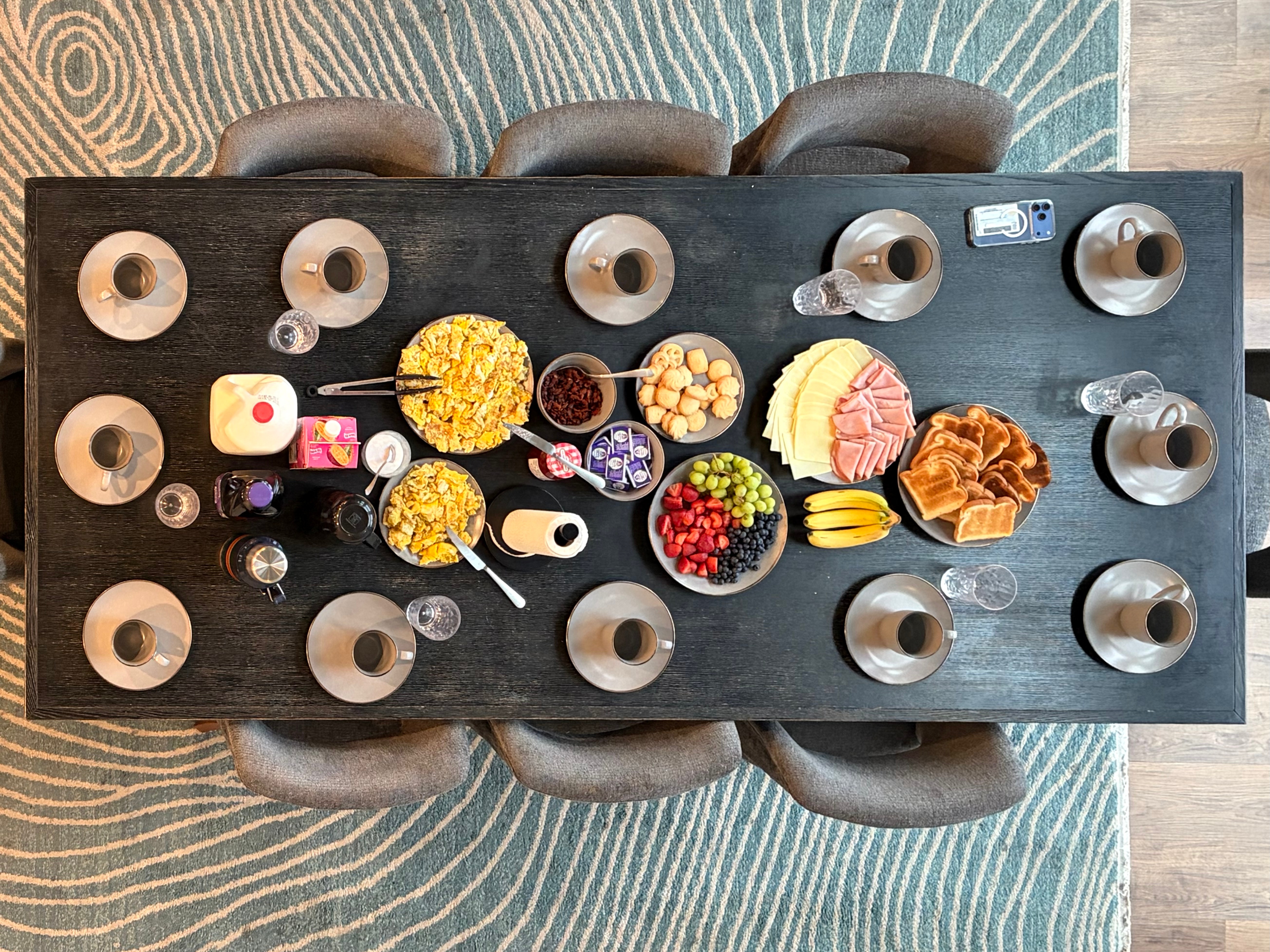
Grab a warm roll, a cup of strong coffee, and one of those leftover Brigadeiros, and you are officially living the Brazilian dream. 🇧🇷✨
Which method are you trying first—the quick shortcut or the classic ritual?





Leave a Reply